Have you ever searched for your own topic on Google and seen other sites sitting at the top? It stings a little. But those sites can teach you a lot.
That is what SEO competitor analysis is. You look at the sites that rank well for the words you want. Then you learn what they do right and what they miss. After that, you use what you learned to make your own site better.
You do not need to be an expert. You need a free hour and a notebook. Here is how to do it.
What Is SEO Competitor Analysis?
SEO competitor analysis means checking the websites that fight for the same Google spots as you. You review their pages, wording, and links. Then you compare them with yours.
Think of it like a school race. You watch how the fast kids run, and then you fix your own steps.
Who Counts as an SEO Competitor?
Your SEO competitors are not always the same as your business competitors. A site can sell something totally different and still beat you on Google for the same search.
For example, a small shop that sells shoes might compete with a big blog about running tips. Both want the same click. So both are competitors in search.
Why Should You Do It?
There are good reasons to spend time on this.
- You find out which keywords bring others visitors.
- You spot topics they wrote about that you forgot.
- You see where their pages are weak, so you can write better ones.
- You stop guessing and start using facts.
It also saves money. Instead of trying ideas that might fail, you copy the ideas that already work and then make them better. Copy the idea, not the words.
How to Do SEO Competitor Analysis, Step by Step
Step 1: Find Your Real Competitors
Type your main keywords into Google. Write down the sites that show up on page one. Do this for five to ten keywords.
Some sites will show up again and again. Those are your top competitors. Pick three to five of them to study.
You can also use a tool. Semrush and Ahrefs both show a list of sites that rank for the same words as you. Both have free or trial options.
Step 2: Check Their Keywords
Now look at what words bring them visitors. Put their site into a keyword tool and see the list.
Look for two things:
- Words they rank for that you do not.
- Words you both rank for, where they are higher.
The first list is your set of missed chances. The second list shows where you can catch up. If you need help picking good words, read our guide on keyword research for beginners.
Step 3: Study Their Best Pages
Most sites have a few pages that bring in most of the visitors. Find those pages. Most tools call them “top pages.”
Open each one and ask simple questions:
- How long is the page?
- What titles and headings do they use?
- Do they use pictures, charts, or videos?
- What questions do they answer?
- What did they leave out?
That last question matters most. If you can answer something they skipped, you have a way to win.
Step 4: Look at Their Backlinks
A backlink is when another site links to a page. Google sees these links like votes. More good votes usually mean a higher spot.
Check who links to your competitors. Maybe a news site, a blog, or a list of tools. Then ask yourself if those sites would link to you too. You can learn more about this in our post on how backlinks work.
Step 5: Check Their Site Speed and Feel
Open their site on your phone. Is it fast? Is it easy to read? Do pop-ups get in the way?
Google wants people to have a good time on a site. If a competitor’s site is slow and yours is quick, that helps you. Google has a free tool called PageSpeed Insights that gives a score for any page.
Step 6: Make a Simple Gap List
Now put it all in one table or sheet. Make three columns: what they do well, what you do well, and what is missing on both sides.
Then pick the three easiest wins and start there. Do not try to fix everything at once. Small steps add up.
Free Tools That Help
You do not need to pay for everything. These are good places to start:
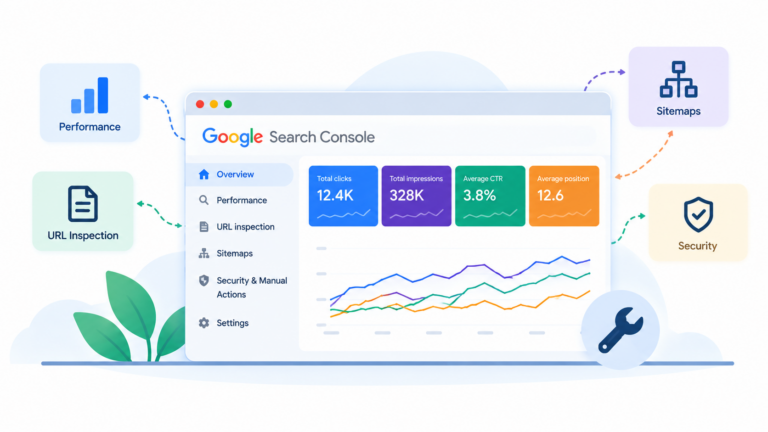
- Google Search Console shows which words already bring people to your site.
- Google Trends shows what people search for over time.
- Google’s SEO Starter Guide explains the basics in plain words.
Paid tools like Semrush and Ahrefs go deeper, but free ones are enough to begin.
Mistakes to Avoid
Copying Instead of Learning
Never copy another site’s words. Google can tell, and it is also not fair. Use what you learn to write something new and more useful.
Picking Too Many Competitors
If you study twenty sites, you will drown in data. Stay with three to five.
Doing It Once and Stopping
Search results change all the time. New sites show up, and old ones fall. Do a quick check every three months, so you stay ahead.
How Often Should You Check?
A full check twice a year works well for most sites. A short check each month is even better. Just look at your top keywords and see if anyone new has moved above you.
Final Thoughts
SEO competitor analysis is not hard. You find who is ahead, see what they do, and fill the gaps on your own site. Start small. Pick one keyword and one competitor today.
If you want more help growing your site, take a look at our other posts on on-page SEO and content planning.